Why Low-Barrier Clinics are Crucial to Ending Health Disparities
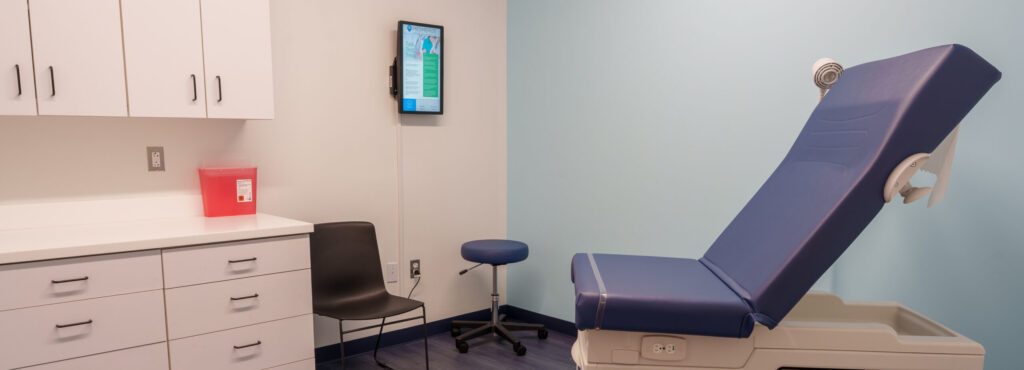
In too many communities, especially those that have been historically underserved, accessing healthcare can feel nearly impossible. Insurance requirements, high out-of-pocket costs, long wait times, and systemic bias often prevent people from getting the care they need—until it’s too late.
That’s where low-barrier clinics come in. And why they are essential in the fight to end health disparities.
At Bebashi – Transition to Hope, we believe that everyone deserves access to quality, compassionate healthcare—no matter their income, background, or circumstances. Our low-barrier wellness clinic is designed to remove the obstacles that keep people from getting care, helping to close the health gap for thousands across Philadelphia.
What Is a Low-Barrier Clinic?
Low-barrier clinics prioritize accessibility, dignity, and trust. These healthcare spaces are structured to eliminate the most common barriers—like lack of insurance, difficulty with transportation, and fear of judgment or discrimination.
At Bebashi, this means:
- No-cost primary and sexual health services
- Walk-in appointments and short wait times
- Culturally responsive care
- A supportive, community-based approach
- No insurance or referral required
The Problem: Persistent Health Disparities
Black and Brown communities and people living in poverty are disproportionately affected by preventable and chronic health conditions. These disparities didn’t happen by accident—they are the result of generations of inequity, neglect, and exclusion from mainstream healthcare systems.
For example:
- Black Americans are more likely to develop and die from chronic illnesses such as diabetes, hypertension, and heart disease.
- People living in poverty often delay care due to cost, which leads to more advanced illness when they finally seek help.
- Many individuals don’t seek care because they’ve previously felt judged, dismissed, or misunderstood by healthcare providers.
Low-barrier clinics exist to serve these exact populations, removing the red tape and rigid policies that keep people from getting the help they need.
What Low-Barrier Care Looks Like in Action
Every day at Bebashi, we see the real-life impact of accessible care:
- A father who hasn’t seen a doctor in years comes in for a check-up and learns he has high blood pressure—he starts treatment immediately.
- A grandmother receives a free breast/chest health screening and is connected with a specialist within days, not months.
- A young adult gets tested and treated for an STI without judgment or financial burden—and leaves with the tools to take control of their health.
These are everyday stories at Bebashi—not exceptions. Our clinic is designed to welcome people who are often overlooked or turned away elsewhere.
Low-Barrier Doesn’t Mean Low-Quality
A common misconception is that free or no-cost care means lower quality. In fact, low-barrier clinics are often leaders in trauma-informed, culturally competent, and evidence-based care.
Our healthcare providers are licensed professionals who are deeply committed to the communities we serve. The care is personal, consistent, and grounded in dignity.
A Blueprint for Health Equity
If we truly want to eliminate health disparities, we must address the structural barriers that keep people from care. Low-barrier clinics offer a powerful, proven solution. When care is easy to access, people come in. They engage. They follow up. They stay healthier.
And when our communities are healthier, our city is stronger.
____________________________________________________________________________________
Want to support accessible care in Philadelphia?
You can help by donating or sharing our mission. Together, we can remove the barriers to better health for everyone.